Unpacking the Technology Behind Modern Smart Luggage Solutions
In the ever-evolving landscape of travel accessories, smart luggage has
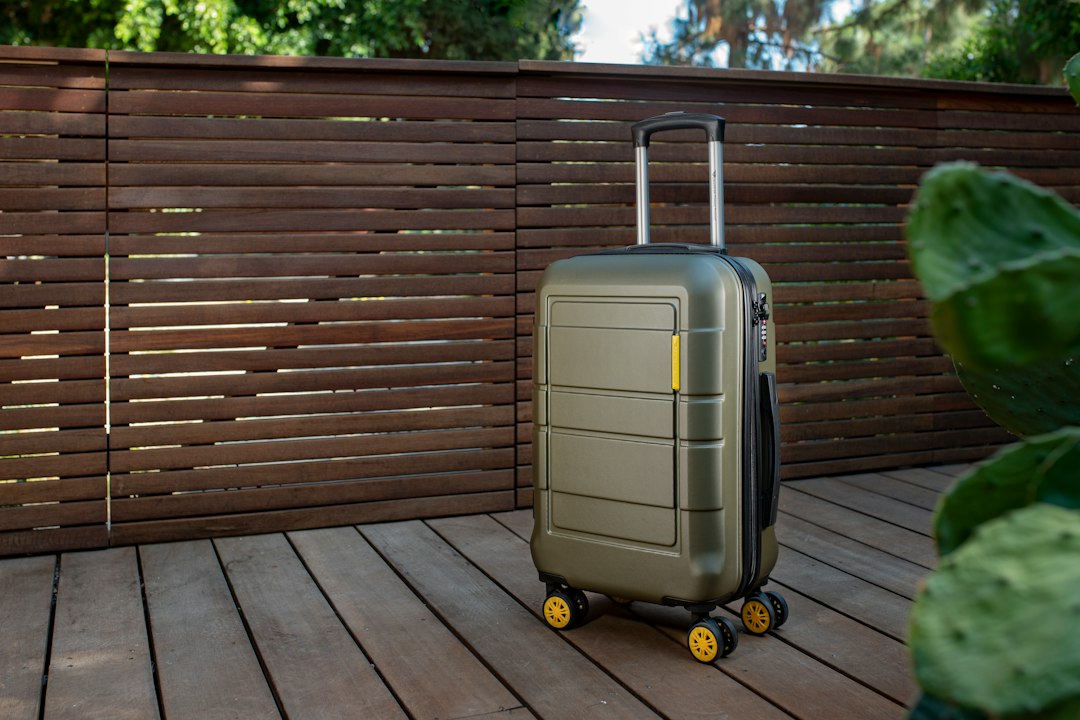
In the ever-evolving landscape of travel accessories, smart luggage has emerged as a game-changer, revolutionizing the way we transport our belongings. Smart luggage combines traditional travel gear with cutting-edge technology, offering features that enhance convenience, security, and efficiency. As the global market for smart luggage continues to expand, understanding the technology behind these innovative products becomes essential for both consumers and industry stakeholders.
Smart luggage typically includes features such as built-in GPS tracking, USB charging ports, and remote locking mechanisms. These functionalities not only provide peace of mind for travelers but also streamline the travel experience. For instance, GPS tracking allows users to monitor their luggage in real-time, reducing the anxiety associated with lost bags. Furthermore, the integration of USB ports enables travelers to charge their devices on the go, ensuring they remain connected throughout their journey.
According to recent market research, the smart luggage market is projected to grow from $1.5 billion in 2021 to $3.5 billion by 2026, reflecting a compound annual growth rate (CAGR) of 18.5%. This growth can be attributed to the increasing demand for convenience and technological advancements in the travel sector. As more consumers become aware of the benefits of smart luggage, manufacturers are investing in innovative designs and features to meet this rising demand.
Recent studies indicate that consumer purchasing behavior is shifting towards tech-savvy travel solutions, with smart luggage gaining popularity among frequent flyers and tech enthusiasts. A survey conducted in 2022 revealed that 65% of travelers expressed interest in purchasing smart luggage due to its advanced features. This trend highlights a growing preference for products that enhance travel efficiency and security, particularly among millennials and Gen Z travelers who prioritize technology in their purchasing decisions.
Key Insight: The increasing adoption of smart luggage reflects a broader trend in consumer behavior where technology integration is becoming a critical factor in purchasing decisions. As travelers seek to simplify their journeys, the demand for smart luggage is expected to rise, prompting manufacturers to innovate continuously and cater to evolving consumer needs.
Despite its rapid growth, the smart luggage market faces several challenges that could impact its future trajectory. One significant concern is the regulatory landscape surrounding lithium-ion batteries, which are commonly used in smart luggage for powering electronic features. Stricter regulations regarding battery safety and transportation could hinder the production and sale of smart luggage, necessitating manufacturers to adapt their designs to comply with safety standards.
Additionally, the high price point of smart luggage compared to traditional options may deter some consumers from making the switch. While the added features provide significant value, the initial investment can be a barrier for budget-conscious travelers. As the market matures, manufacturers will need to find ways to balance quality and affordability to attract a broader audience.
Looking ahead, the future of smart luggage appears promising as technology continues to advance. Innovations such as biometric locks, integrated weight sensors, and even AI-driven features are on the horizon, poised to further enhance the travel experience. These advancements will not only improve security but also provide travelers with valuable insights into their packing habits and travel patterns.
Moreover, as sustainability becomes a focal point in consumer preferences, manufacturers are exploring eco-friendly materials and production methods for smart luggage. This shift towards sustainability could attract environmentally conscious consumers and differentiate brands in a competitive market. By aligning with consumer values, smart luggage brands can position themselves for long-term success in an increasingly crowded marketplace.
In the ever-evolving landscape of travel accessories, smart luggage has
In an age where technology seamlessly integrates into our daily